A washing machine that is not filling with water can interrupt your laundry routine. A closed tap, blocked hose, wrong setting, or faulty part may stop your washing machine from filling.
A washing machine not filling with water may have a problem with the water supply, inlet hose, or water inlet valve.
Before arranging a repair, there are a few basic things you can safely check. This guide explains why your washing machine may not fill with water, what you can check, and when to call a repair technician.
Table of Contents
Why Is My Washing Machine Not Filling With Water?
If your washing machine starts but does not fill, check the water supply, inlet hose, filter, door lock, wash cycle, and water inlet valve. The best approach is to begin with simple external checks before considering a repair.
A washing machine not filling with water can have several causes, so check the simple issues before arranging a repair.
Always follow your washing machine’s user manual. Turn off and unplug the machine before checking accessible parts. Never remove internal panels or repair electrical parts yourself.
1. Check the Water Supply
What to Check
A washing machine needs a steady water supply to fill properly. Your washing machine will not fill if you close the tap or your home has no running water.
Check that the water supply tap connected to the washing machine is fully open. You can also check whether other taps in your home have running water. If there is a water outage, wait until the supply returns before running another cycle.
If the tap is difficult to turn or appears damaged, do not force it. Contact a qualified plumber if necessary.
Want to learn more about keeping your appliance in good condition? Read our guide on how long washing machines last.
2. Inspect the Water Inlet Hoses
How to Check the Hoses
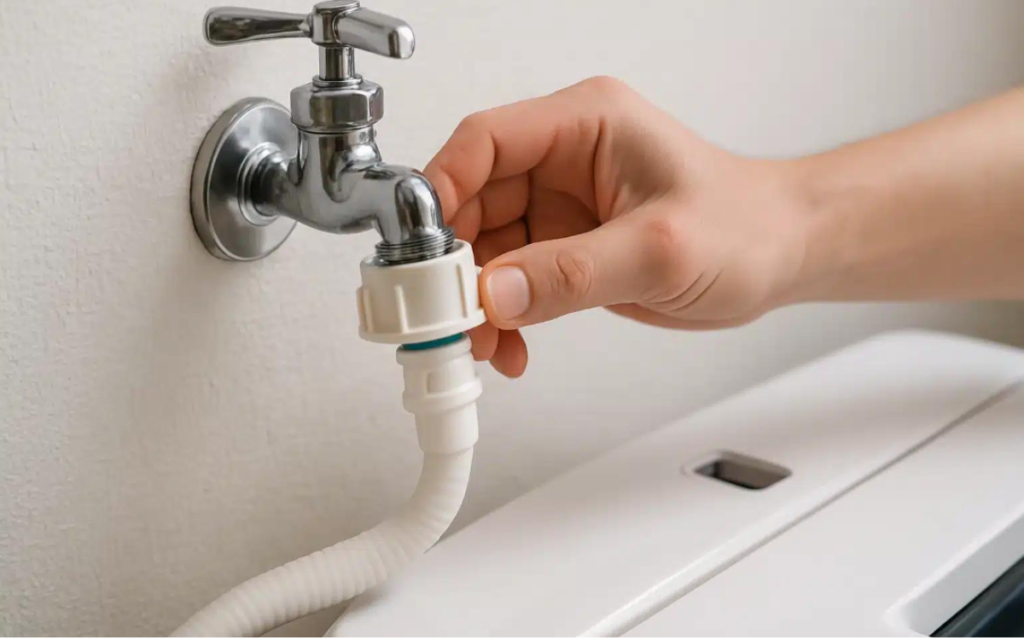
The inlet hoses carry water from the supply tap to your washing machine. A bent or trapped hose can stop water from flowing into your washing machine.
Look at the visible hose connections and check for sharp bends or kinks. Leave enough space behind the machine so the wall does not bend or trap the hose.
If you find a cracked or leaking hose, stop using the machine until you replace it. Before disconnecting any hose, turn off the water supply and unplug the machine, and follow the manufacturer’s instructions.
3. Check the Water Inlet Filter
How a Blocked Filter Can Affect Water Flow
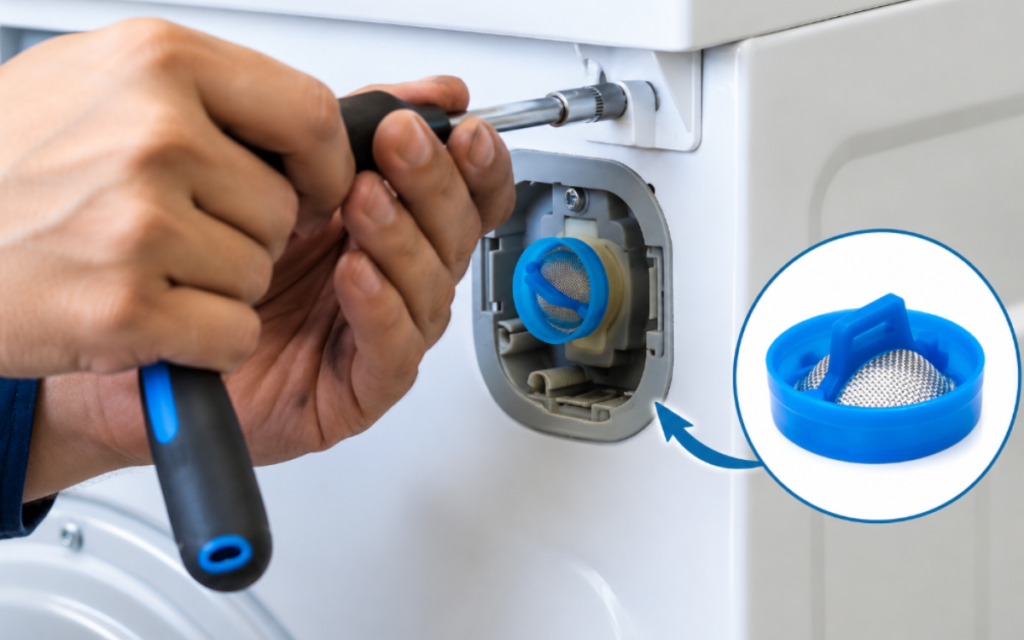
Some washing machines have small inlet screens that help prevent dirt and debris from entering the appliance. Over time, these screens can become clogged and restrict water flow.
Check your user manual to see if you can access the inlet filter and how to clean it safely. Turn off the water supply and disconnect the machine from power before carrying out any permitted maintenance.
Do not force the filter out or use sharp tools. If the filter is difficult to access or you are unsure how to clean it, ask an appliance technician for help.
4. Make Sure the Door or Lid Is Closed Properly
What You Can Do
Many washing machines will not begin filling until the door or lid is properly closed and the safety lock is engaged. Close the door fully. The machine may not start if the door stays open.
Open and close the door gently. Keep clothing clear of the door seal when closing the door. Copy new sentence
If the door will not lock, a door error appears, or the problem continues, ask a repair technician to check the lock. Never try to bypass the door safety lock.
5. Check the Selected Wash Cycle
Settings to Review
Some wash cycles use different amounts of water or take time before filling begins. A delay timer, paused cycle, or wrong setting may stop the machine from filling when you expect it to.
Check the display and make sure the cycle has actually started. Look for a delay timer, pause symbol, or error message. If your machine has a reset or restart procedure, follow the instructions in its user manual.
If the machine remains stuck at the beginning of the cycle, the cause may be more than a simple setting.
6. Consider a Water Inlet Valve Problem
Signs of a Possible Valve Problem
The water inlet valve controls the flow of water into the washing machine. If the water inlet valve fails, the machine may fill slowly or not fill at all, even when the water supply works.
The valve may have a problem if the tap is open, the hoses are straight, and the machine still will not fill. However, these symptoms can have other causes, so they do not confirm that the valve is faulty.
Testing or replacing this component may involve electrical connections and internal parts. Contact a qualified appliance repair technician rather than opening the machine or attempting an electrical repair yourself.
7. Check for Washing Machine Error Codes
How to Identify the Problem
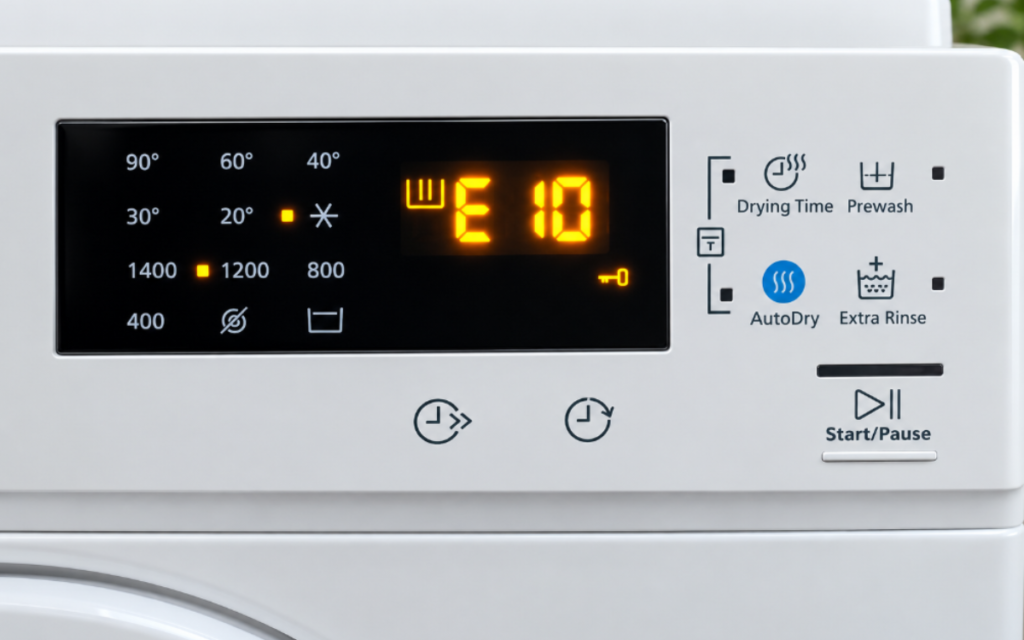
Some washing machines display an error code when they detect a water supply or filling problem. The meaning of each code depends on the manufacturer and model.
If an error code appears, write it down and check your manual or the brand’s official support website. Do not assume that the same code means the same thing on every brand.
If the code remains after you check the water supply and hoses, contact the brand’s support team or a repair technician.
When Should You Call a Repair Technician?
Call a repair technician if the machine will not fill, shows a water error, or has a possible valve or door lock problem.
Stop using the machine if water leaks near electrical parts, you smell burning, or you see damaged wires. If it is safe to do so, disconnect the power without touching wet electrical areas and arrange professional help.
Before booking a repair, note the brand, model number, error code, and checks you have already done. This information can help the technician investigate the problem more efficiently.
Frequently Asked Questions
Why is my washing machine not filling with water?
A closed tap, bent hose, blocked filter, or faulty part can stop your washing machine from filling. Start with the simple checks described in this guide.
Why does my washing machine hum but not fill?
A humming sound does not identify one specific fault. The machine may have restricted water flow or a problem with a component involved in filling. Check the water supply and hoses. If the problem continues, read your manual or contact a technician.
Can a blocked inlet hose stop a washing machine from filling?
Yes. A bent or kinked inlet hose can restrict the flow of water into the machine. Check the visible hose for sharp bends and damage. If the hose leaks or has damage, stop using the machine and replace the hose.
Should I keep restarting a washing machine that will not fill?
Repeatedly restarting the machine may not solve the underlying problem. Check the basic water supply and settings first. If the machine continues to fail, displays an error code, or shows signs of a leak or electrical fault, stop and seek professional advice.
Conclusion
If your washing machine will not fill, check for a closed tap, a bent hose, or a wrong setting. Checking these basics can help you understand the problem before arranging a repair.
If the water supply and hoses work properly but the machine will not fill, ask a repair technician to check inside the machine. Always follow the safety instructions in your user manual and contact a qualified technician when needed.
If you are planning to move your appliance, read our guide on how much a washing machine weighs.