Author name: Adnan Sadozai

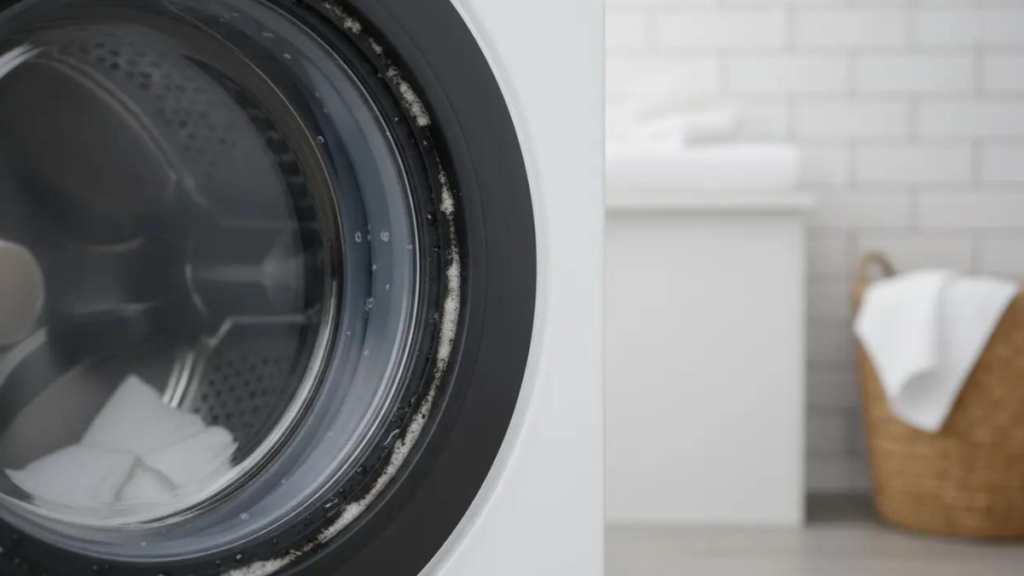
Mildew buildup on a washing machine rubber door seal
Uncategorized

Washing Machine Mildew Smell: Causes and Fixes

A washing machine mildew smell can make freshly washed clothes smell unpleasant. This odor often comes from moisture, detergent residue, or dirt trapped inside the washer. The good news is that regular cleaning and proper care can help remove the smell and prevent it from returning. The good news is that you can often reduce the smell by cleaning the right areas and changing a few laundry habits. However, the best way to clean your washer depends on its type and your washer’s manual. This guide explains why your washer smells like mildew, how to clean it, and how to stop the smell from coming back. Why Does My Washer Smell Like Mildew? A washer may smell musty when moisture and residue remain inside the drum or other parts of the machine. These areas can become difficult to dry completely, especially when the door stays closed between loads. A washing machine mildew smell often develops when moisture, detergent residue, and dirt build up inside the washer. Several common issues can contribute to the problem. 1. Moisture Inside the Washing Machine Water can remain around the door seal, inside the detergent drawer, or in other damp areas after a wash. When these areas do not dry properly, they can develop an unpleasant odor. This is more likely when the washer remains closed for long periods after a cycle finishes. 2. Detergent and Fabric Softener Buildup Using more detergent than recommended does not necessarily make clothes cleaner. Extra detergent and fabric softener can leave residue inside the machine. Over time, this residue may collect dirt and contribute to a musty smell. Using the amount recommended for your washer and the size of your load can help reduce buildup. 3. A Dirty Door Seal Front-load washing machines have a rubber door gasket that helps keep water inside the washer. Moisture, lint, and small pieces of debris can collect in its folds. If you leave the gasket damp or skip cleaning it when needed, it may develop an unpleasant odor. Check the folds carefully for visible residue and follow the the cleaning instructions in your manual 4. A Dirty Detergent Drawer Detergent drawers can collect soap residue, fabric softener, and moisture. Check your washer’s manual to learn how to remove and clean the drawer safely. Remember to clean the compartment around the drawer as well, if your manual permits it. 5. Infrequent Washer Cleaning Some washing machines have a dedicated cleaning cycle designed to remove residue from the drum and internal areas. Follow the manual’s instructions for this cycle to help prevent buildup and odors. Check your owner’s manual for the recommended cleaning frequency and the type of washer cleaner approved for your model. How to Remove Mildew Smell from a Washer If your washing machine smells like mildew, start with a careful inspection and cleaning. You may not need to clean every component, but checking the common problem areas can help you find the source. Step 1: Check Your Washing Machine Manual Before using a cleaning product, read your washer’s manual. Different washing machines may require different cleaning methods and products. Do not assume that a cleaning method suitable for one model is safe for every washer. For additional guidance, read Whirlpool’s guide to removing washer odors for tips on washer cleaning and maintenance. Step 2: Clean the Door Gasket If you have a front-load washer, inspect the rubber gasket around the door. Avoid sharp tools, abrasive scrubbers, or harsh chemicals that could damage the rubber. Top-load washers may not have the same type of front door gasket, so inspect the areas specified in your owner’s manual instead. Step 3: Clean the Detergent Drawer Soap residue inside the dispenser can contribute to a musty smell. If your model has a removable drawer, remove it according to the manual. Clean the accessible parts with a suitable cleaner, rinse them if instructed, and allow them to dry before putting them back. Use a soft brush only where appropriate. Only remove the drawer if your washer’s manual says it is removable. Never force it out. Step 4: Run the Recommended Washer-Cleaning Cycle Many washing machines have a cycle labelled Clean Washer, Tub Clean, or something similar. To use it correctly: Do not add ordinary laundry detergent unless the manufacturer specifically instructs you to do so. Important: Never mix bleach with vinegar, ammonia, or other cleaning products. Mixing cleaners can release dangerous fumes. Use only compatible products according to their labels and your washer’s instructions Step 5: Check the Drain Filter if Your Washer Has One Some washing machines have a user-accessible drain pump filter. Lint, coins, and other debris can collect there, and trapped water or residue may contribute to odors. Not every model has a filter that users can safely access. Consult your manual before opening any filter compartment. If the procedure involves draining water, prepare for possible spills and follow the safety instructions carefully. If you are unsure how to access the filter, contact a qualified technician. How to Get Rid of Mildew Smell in a Washing Machine Naturally Some people prefer to clean their washer using household products. However, natural does not automatically mean safe for every machine. Before using vinegar, baking soda, or any other household product, check whether the manufacturer permits it. Some products may damage seals, leave residue, or interfere with the recommended cleaning process. Start by removing visible dirt. Clean the areas you can reach, then run the cleaning cycle listed in your washer’s manual.Copy replacement Avoid combining household cleaners. Never mix vinegar with bleach. Do not mix cleaning products, as this can release dangerous fumes. If the odor remains after appropriate cleaning, investigate other possible causes instead of repeatedly adding more products. Why Does My Washing Machine Still Smell After Cleaning? Sometimes, your washing machine still smells after you clean the drum. This may happen because the source of the odor is somewhere else. If your washer also has water-related problems, read our guide on washing machine […]
Washing machine not filling with water
Uncategorized

Washing Machine Not Filling With Water

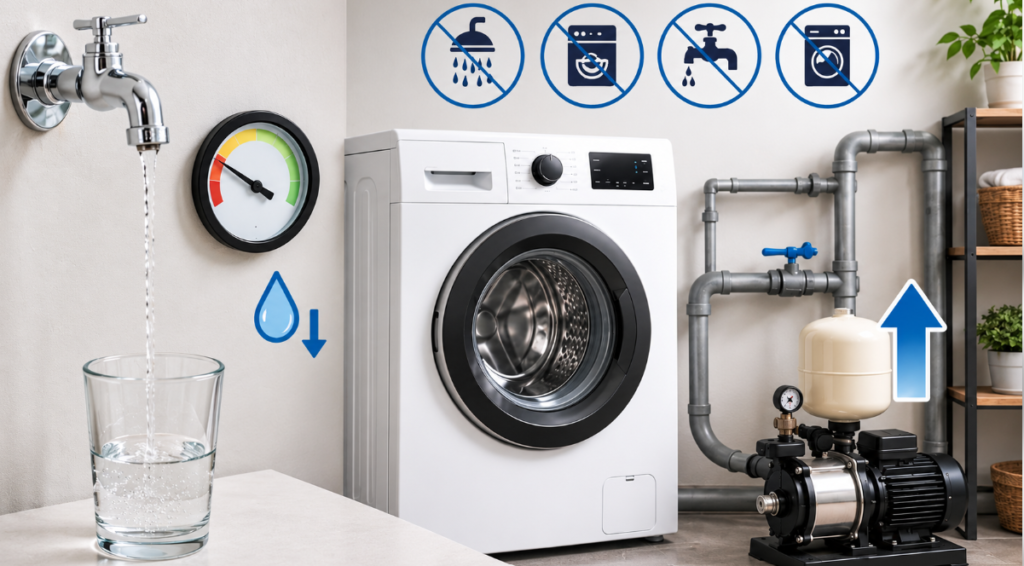
A washing machine that is not filling with water can interrupt your laundry routine. A closed tap, blocked hose, wrong setting, or faulty part may stop your washing machine from filling. A washing machine not filling with water may have a problem with the water supply, inlet hose, or water inlet valve. Before arranging a repair, there are a few basic things you can safely check. This guide explains why your washing machine may not fill with water, what you can check, and when to call a repair technician. Why Is My Washing Machine Not Filling With Water? If your washing machine starts but does not fill, check the water supply, inlet hose, filter, door lock, wash cycle, and water inlet valve. The best approach is to begin with simple external checks before considering a repair. A washing machine not filling with water can have several causes, so check the simple issues before arranging a repair. Always follow your washing machine’s user manual. Turn off and unplug the machine before checking accessible parts. Never remove internal panels or repair electrical parts yourself. 1. Check the Water Supply What to Check A washing machine needs a steady water supply to fill properly. Your washing machine will not fill if you close the tap or your home has no running water. Check that the water supply tap connected to the washing machine is fully open. You can also check whether other taps in your home have running water. If there is a water outage, wait until the supply returns before running another cycle. If the tap is difficult to turn or appears damaged, do not force it. Contact a qualified plumber if necessary. Want to learn more about keeping your appliance in good condition? Read our guide on how long washing machines last. 2. Inspect the Water Inlet Hoses How to Check the Hoses The inlet hoses carry water from the supply tap to your washing machine. A bent or trapped hose can stop water from flowing into your washing machine. Look at the visible hose connections and check for sharp bends or kinks. Leave enough space behind the machine so the wall does not bend or trap the hose. If you find a cracked or leaking hose, stop using the machine until you replace it. Before disconnecting any hose, turn off the water supply and unplug the machine, and follow the manufacturer’s instructions. 3. Check the Water Inlet Filter How a Blocked Filter Can Affect Water Flow Some washing machines have small inlet screens that help prevent dirt and debris from entering the appliance. Over time, these screens can become clogged and restrict water flow. Check your user manual to see if you can access the inlet filter and how to clean it safely. Turn off the water supply and disconnect the machine from power before carrying out any permitted maintenance. Do not force the filter out or use sharp tools. If the filter is difficult to access or you are unsure how to clean it, ask an appliance technician for help. 4. Make Sure the Door or Lid Is Closed Properly What You Can Do Many washing machines will not begin filling until the door or lid is properly closed and the safety lock is engaged. Close the door fully. The machine may not start if the door stays open. Open and close the door gently. Keep clothing clear of the door seal when closing the door. Copy new sentence If the door will not lock, a door error appears, or the problem continues, ask a repair technician to check the lock. Never try to bypass the door safety lock. 5. Check the Selected Wash Cycle Settings to Review Some wash cycles use different amounts of water or take time before filling begins. A delay timer, paused cycle, or wrong setting may stop the machine from filling when you expect it to. Check the display and make sure the cycle has actually started. Look for a delay timer, pause symbol, or error message. If your machine has a reset or restart procedure, follow the instructions in its user manual. If the machine remains stuck at the beginning of the cycle, the cause may be more than a simple setting. 6. Consider a Water Inlet Valve Problem Signs of a Possible Valve Problem The water inlet valve controls the flow of water into the washing machine. If the water inlet valve fails, the machine may fill slowly or not fill at all, even when the water supply works. The valve may have a problem if the tap is open, the hoses are straight, and the machine still will not fill. However, these symptoms can have other causes, so they do not confirm that the valve is faulty. Testing or replacing this component may involve electrical connections and internal parts. Contact a qualified appliance repair technician rather than opening the machine or attempting an electrical repair yourself. 7. Check for Washing Machine Error Codes How to Identify the Problem Some washing machines display an error code when they detect a water supply or filling problem. The meaning of each code depends on the manufacturer and model. If an error code appears, write it down and check your manual or the brand’s official support website. Do not assume that the same code means the same thing on every brand. If the code remains after you check the water supply and hoses, contact the brand’s support team or a repair technician. When Should You Call a Repair Technician? Call a repair technician if the machine will not fill, shows a water error, or has a possible valve or door lock problem. Stop using the machine if water leaks near electrical parts, you smell burning, or you see damaged wires. If it is safe to do so, disconnect the power without touching wet electrical areas and arrange professional help. Before booking a repair, note the brand, model number, error code, and checks you have […]

Washing machine lifespan guide showing a modern front-load washer
Washing Machines

How Long Do Washing Machines Last? Lifespan Guide

Most homes need a washing machine, but every machine needs repairs or replacement at some point. Knowing what affects a washer’s lifespan helps you care for it, spot signs of wear, and decide when to repair it. This guide explains how long washers last, how to care for them, and when to replace them. How Long Do Washing Machines Last? Washing machine lifespan varies by model, usage, and maintenance. A washer’s lifespan depends on its quality, how often you use it, and how well you install and maintain it. A machine used by a large household several times a day may experience more wear than one used only a few times a week. Regular maintenance and correct loading can help reduce avoidable strain on its components. To estimate its remaining life, check the maker’s advice and consider the washer’s age, condition, repairs, and performance. Washing Machine Lifespan by Type Washer designs vary, but lifespan also depends on usage, maintenance, installation, and build quality. Front-Load Washing Machines Front-load washing machines use a rotating drum to move clothes through water during the wash cycle. They often use less water than traditional top-load models, depending on the machine and selected cycle. Clean the door seal, remove detergent buildup, and leave the door slightly open after use if the maker recommends it. These habits can help prevent unwanted moisture and odors. Top-Load Washing Machines Top-load washers use a vertical drum and may rely on an agitator or impeller to move clothes during the wash cycle. Avoid overloading the drum and follow the instructions for detergent, cycle selection, and cleaning. If the machine starts vibrating excessively or making unusual noises, investigate the cause rather than ignoring it. Compact and Frequently Used Washers Compact washers and heavily used machines may wear out at different rates based on their design and workload. Follow the manufacturer’s load limits and recommended operating instructions. If you regularly run multiple loads, keep up with the cleaning and maintenance tasks specified in the manual. Factors That Affect Washing Machine Lifespan Several factors can influence the condition and performance of a washing machine over time. The weight of a washing machine can vary depending on its type, size, and construction. Read our complete guide on how much a washing machine weighs to learn more about washer weight and the differences between models. Understanding your washing machine lifespan can help you maintain it properly and recognise when repairs may be needed. Frequency of Use A washer used many times each day may accumulate more operating cycles than one used occasionally. The impact depends on the machine’s design, load sizes, cycle settings, and maintenance. Overloading the Drum Putting too many clothes into the washer can prevent proper cleaning and put extra strain on some components. Follow the load-size guidance in your owner’s manual. Installation and Levelling A washer that is not level may vibrate excessively during the spin cycle. Install the washer on a stable surface and level it according to the maker’s instructions. Detergent and Water Conditions Using the wrong detergent or too much detergent can cause residue to build up. Hard water may also contribute to mineral deposits in some areas. Use the detergent type and amount recommended for your machine, and follow the manufacturer’s advice for cleaning and descaling. For model-specific cleaning and maintenance advice, check the instructions provided by your washing machine’s manufacturer. Regular Maintenance Clean the detergent drawer and door seal regularly according to the manufacturer’s instructions. Also, clean the filter if your washer has one. Always follow the instructions for your model. How to Make a Washing Machine Last Longer Regular care helps maintain your washing machine and prevent avoidable wear. Always disconnect the power before carrying out any maintenance that requires access to internal parts. Leave electrical repairs and complex mechanical work to a qualified professional. Signs Your Washing Machine May Need Replacing Some problems can be repaired, while others may make replacement worth considering. Watch for these warning signs: Frequent Repairs If the washer needs repairs repeatedly, compare the total expected repair costs with the cost of a suitable replacement. Persistent Leaks Leaks may come from a hose, seal, connection, or internal component. Stop using the machine if a leak creates an electrical or flooding risk, and arrange an inspection. Unusual Noise or Vibration A small object or an unbalanced load can sometimes cause noise. However, persistent banging, grinding, or excessive vibration may indicate a problem that needs professional attention. Poor Cleaning or Spinning If clothes are still wet or dirty, check the load size and wash cycle. Also check the drain and filter using your owner’s manual. Follow your washer’s manual. If the issue continues, arrange a repair assessment. Parts Are Difficult to Obtain For older models, parts availability and repair costs can affect whether keeping the machine is practical. Should You Repair or Replace an Old Washing Machine? The right choice depends on the washer’s condition, repair cost, reliability, and your household’s needs. Consider these questions before deciding: A relatively simple repair may be worthwhile if the washer is otherwise in good condition. If repairs are costly, buying a new washer may be a better choice. Ask a qualified technician to assess the problem when you are unsure. Frequently Asked Questions How can I tell how much life my washing machine has left? You cannot predict exactly how long a washer will last. Its age, condition, repair history, usage, and maintenance can help you assess whether it is likely to need attention. Does regular maintenance help a washing machine last longer? Regular maintenance can help prevent some avoidable problems and keep the washer operating as intended. Follow the cleaning and care schedule recommended by the manufacturer. Is a noisy washing machine always failing? No. An unbalanced load, an object in the drum, or an installation issue can cause noise. Check persistent or unusual noises, especially if the washer leaks or performs poorly. Should I repair an older washing machine? It depends on the fault, […]

Washing Machines

How Much Does a Washing Machine Weigh? A Complete Guide

How much does a washing machine weigh? The answer depends on the washer’s type, capacity, construction, and design. Washing machines can be surprisingly heavy, and there is no single weight that applies to every model. You can also read our guide on troubleshooting a washing machine that is not filling with water. When purchasing a new washing machine or preparing to move one, knowing its approximate weight can help. This guide compares front-load and top-load washers, explains why washing machines are heavy, and covers important things to know before moving one. Quick Answer A washing machine can weigh well over 100 pounds, but the exact weight depends heavily on the model and type. Recent manufacturer data shows that washing machine weights can vary widely. For example, Samsung lists a 4.4 cu. ft. top-loading washer at 130.1 lb. Its 4.5 cu. ft. front-loading model weighs 200.6 lb.GE lists a 4.5 cu. ft. front-load washer with a net weight of 243 lb. These figures describe specific models, not the average weight of all washing machines. For the exact weight of your washer, check the maker’s product specifications or the owner’s manual. How Much Does a Washing Machine Weigh on Average? There is no single weight that applies to every household washing machine. Typical washer weight varies with the model type, load capacity, materials, build quality, and included features. Even machines designed for similar load sizes can differ significantly in overall weight from one product to another. For example, the Samsung top-load model mentioned above has a product weight of 130.1 pounds, while Samsung’s 4.5 cu. ft. front-load example weighs 200.6 pounds.GE’s 4.5 cu. ft. front-load example has a net weight of 243 pounds. These examples show why washing machine weights can vary. It is better to check the weight range and specifications for each model. Washing Machine Weight by Type Front-Load Washers Front-load washers are often heavy, but the exact weight varies by model, drum size, materials, and included features. Machines with similar capacities can have different weights. Check the washer’s specifications to find the exact weight. Top-Load Washers Top-load washers can vary in weight from one model to another. A top-load machine may weigh less than some front-load models with a similar capacity, but this is not true for every washer. Check the model’s specifications for its exact product weight. Compact and Portable Washers Compact, portable washers suit tight living spaces and often weigh less than standard full-size units. However, weights vary by model. Check the washer’s specifications before buying, moving, or installing it. Washer-Dryer Combos Washer-dryer combos combine washing and drying functions in one appliance. Their weight can vary considerably depending on the design, capacity, and internal components. When comparing a combo machine with separate appliances, use the product specifications for the exact model. What Makes a Washing Machine So Heavy? Counterweights Washing machines need to stay stable while the drum spins. Counterweights reduce movement and vibration during the spin cycle. They help keep the machine balanced. The size and design of these weights can vary between models. Drum and Tub The drum holds your clothes during the wash cycle, while the outer tub surrounds it. The materials and construction used for these parts add to the overall weight of the washing machine. Different designs can therefore produce different product weights. Chassis and Motor The chassis is the structural frame that supports the washing machine, while the motor powers the washing and spinning systems. Both contribute to the appliance’s total weight, and their design can differ from one model to another. Size, Capacity, and Features A washing machine’s size and capacity can affect its design. However, they do not determine its exact weight. Materials, internal components, balancing systems, and additional features can also make one model heavier than another. Washing Machine Weight by Capacity A washing machine’s capacity indicates how much dry clothing it can wash at once, not the unit’s own weight. Two washing machines with the same capacity can have different weights. This depends on their materials, design, and internal parts. If you’re wondering how much a washing machine weighs, remember that the exact weight depends on the model’s design, materials, and internal components. If you’re wondering how much a washing machine weighs, remember that the exact weight depends on the model’s design, materials, and internal components. When comparing washing machines, look at the capacity and product weight as two separate specifications. If you need the exact weight for moving, delivery, or installation, check the product details for the specific model. Empty vs. Loaded Washing Machine Weight The weight shown in a washing machine’s specifications typically describes the unit alone. After you put in clothes and add water, the overall weight increases. Therefore, don’t mix up a washer’s unloaded weight with its full weight during use. There are three stages to consider: the empty machine, the machine with laundry, and the machine with laundry and water. The exact amount added will depend on the load and the wash cycle. How Much Does a Washer and Dryer Weigh Together? A washer and dryer together can be quite heavy since they are two separate machines. Their combined weight varies depending on the exact washer and dryer models you own. To find the total weight, look up each appliance’s listed weight and add them together. For transport or delivery, confirm the proper specification. Makers often provide both the unit’s weight and its shipping weight separately. How Much Does Water Add to a Washing Machine’s Weight? Water adds additional weight while a washing machine is running. The amount of water used can vary depending on the washer, the selected cycle, and the load. A washing machine fills and drains at different stages of a wash cycle. The amount of water inside the appliance can change during the cycle. The product weight listed on the brand’s website is not the total weight of the washer during operation. To find the exact weight of a particular machine, check its product specifications. What to […]

Scroll to Top