Washing Machine Mildew Smell: Causes and Fixes
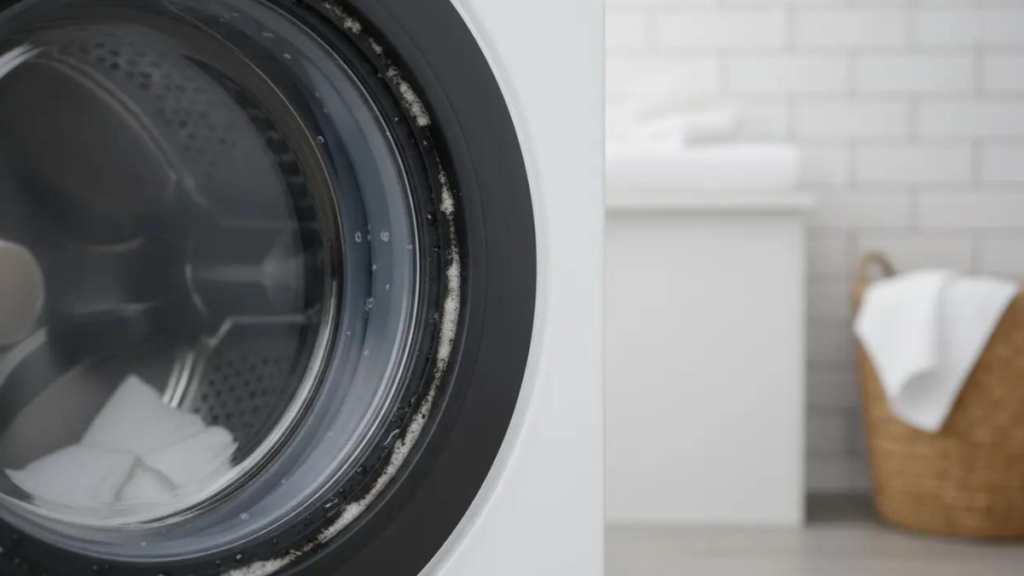
A washing machine mildew smell can make freshly washed clothes smell unpleasant. This odor often comes from moisture, detergent residue, or dirt trapped inside the washer. The good news is that regular cleaning and proper care can help remove the smell and prevent it from returning. The good news is that you can often reduce the smell by cleaning the right areas and changing a few laundry habits. However, the best way to clean your washer depends on its type and your washer’s manual. This guide explains why your washer smells like mildew, how to clean it, and how to stop the smell from coming back. Why Does My Washer Smell Like Mildew? A washer may smell musty when moisture and residue remain inside the drum or other parts of the machine. These areas can become difficult to dry completely, especially when the door stays closed between loads. A washing machine mildew smell often develops when moisture, detergent residue, and dirt build up inside the washer. Several common issues can contribute to the problem. 1. Moisture Inside the Washing Machine Water can remain around the door seal, inside the detergent drawer, or in other damp areas after a wash. When these areas do not dry properly, they can develop an unpleasant odor. This is more likely when the washer remains closed for long periods after a cycle finishes. 2. Detergent and Fabric Softener Buildup Using more detergent than recommended does not necessarily make clothes cleaner. Extra detergent and fabric softener can leave residue inside the machine. Over time, this residue may collect dirt and contribute to a musty smell. Using the amount recommended for your washer and the size of your load can help reduce buildup. 3. A Dirty Door Seal Front-load washing machines have a rubber door gasket that helps keep water inside the washer. Moisture, lint, and small pieces of debris can collect in its folds. If you leave the gasket damp or skip cleaning it when needed, it may develop an unpleasant odor. Check the folds carefully for visible residue and follow the the cleaning instructions in your manual 4. A Dirty Detergent Drawer Detergent drawers can collect soap residue, fabric softener, and moisture. Check your washer’s manual to learn how to remove and clean the drawer safely. Remember to clean the compartment around the drawer as well, if your manual permits it. 5. Infrequent Washer Cleaning Some washing machines have a dedicated cleaning cycle designed to remove residue from the drum and internal areas. Follow the manual’s instructions for this cycle to help prevent buildup and odors. Check your owner’s manual for the recommended cleaning frequency and the type of washer cleaner approved for your model. How to Remove Mildew Smell from a Washer If your washing machine smells like mildew, start with a careful inspection and cleaning. You may not need to clean every component, but checking the common problem areas can help you find the source. Step 1: Check Your Washing Machine Manual Before using a cleaning product, read your washer’s manual. Different washing machines may require different cleaning methods and products. Do not assume that a cleaning method suitable for one model is safe for every washer. For additional guidance, read Whirlpool’s guide to removing washer odors for tips on washer cleaning and maintenance. Step 2: Clean the Door Gasket If you have a front-load washer, inspect the rubber gasket around the door. Avoid sharp tools, abrasive scrubbers, or harsh chemicals that could damage the rubber. Top-load washers may not have the same type of front door gasket, so inspect the areas specified in your owner’s manual instead. Step 3: Clean the Detergent Drawer Soap residue inside the dispenser can contribute to a musty smell. If your model has a removable drawer, remove it according to the manual. Clean the accessible parts with a suitable cleaner, rinse them if instructed, and allow them to dry before putting them back. Use a soft brush only where appropriate. Only remove the drawer if your washer’s manual says it is removable. Never force it out. Step 4: Run the Recommended Washer-Cleaning Cycle Many washing machines have a cycle labelled Clean Washer, Tub Clean, or something similar. To use it correctly: Do not add ordinary laundry detergent unless the manufacturer specifically instructs you to do so. Important: Never mix bleach with vinegar, ammonia, or other cleaning products. Mixing cleaners can release dangerous fumes. Use only compatible products according to their labels and your washer’s instructions Step 5: Check the Drain Filter if Your Washer Has One Some washing machines have a user-accessible drain pump filter. Lint, coins, and other debris can collect there, and trapped water or residue may contribute to odors. Not every model has a filter that users can safely access. Consult your manual before opening any filter compartment. If the procedure involves draining water, prepare for possible spills and follow the safety instructions carefully. If you are unsure how to access the filter, contact a qualified technician. How to Get Rid of Mildew Smell in a Washing Machine Naturally Some people prefer to clean their washer using household products. However, natural does not automatically mean safe for every machine. Before using vinegar, baking soda, or any other household product, check whether the manufacturer permits it. Some products may damage seals, leave residue, or interfere with the recommended cleaning process. Start by removing visible dirt. Clean the areas you can reach, then run the cleaning cycle listed in your washer’s manual.Copy replacement Avoid combining household cleaners. Never mix vinegar with bleach. Do not mix cleaning products, as this can release dangerous fumes. If the odor remains after appropriate cleaning, investigate other possible causes instead of repeatedly adding more products. Why Does My Washing Machine Still Smell After Cleaning? Sometimes, your washing machine still smells after you clean the drum. This may happen because the source of the odor is somewhere else. If your washer also has water-related problems, read our guide on washing machine […]