Most homes need a washing machine, but every machine needs repairs or replacement at some point. Knowing what affects a washer’s lifespan helps you care for it, spot signs of wear, and decide when to repair it.
This guide explains how long washers last, how to care for them, and when to replace them.
Table of Contents
How Long Do Washing Machines Last?
Washing machine lifespan varies by model, usage, and maintenance. A washer’s lifespan depends on its quality, how often you use it, and how well you install and maintain it.
A machine used by a large household several times a day may experience more wear than one used only a few times a week. Regular maintenance and correct loading can help reduce avoidable strain on its components.
To estimate its remaining life, check the maker’s advice and consider the washer’s age, condition, repairs, and performance.
Washing Machine Lifespan by Type
Washer designs vary, but lifespan also depends on usage, maintenance, installation, and build quality.
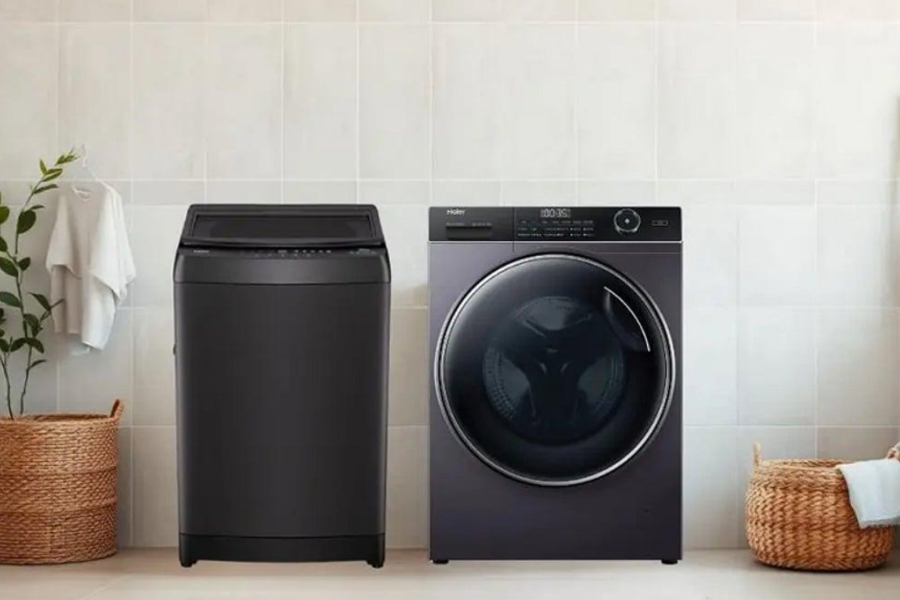
Front-Load Washing Machines
Front-load washing machines use a rotating drum to move clothes through water during the wash cycle. They often use less water than traditional top-load models, depending on the machine and selected cycle.
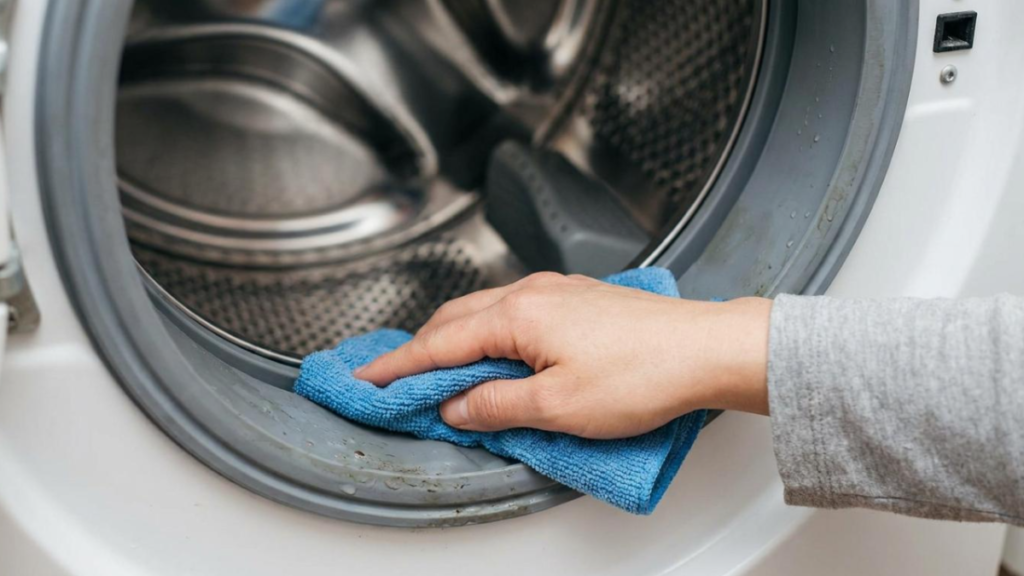
Clean the door seal, remove detergent buildup, and leave the door slightly open after use if the maker recommends it. These habits can help prevent unwanted moisture and odors.
Top-Load Washing Machines
Top-load washers use a vertical drum and may rely on an agitator or impeller to move clothes during the wash cycle.
Avoid overloading the drum and follow the instructions for detergent, cycle selection, and cleaning. If the machine starts vibrating excessively or making unusual noises, investigate the cause rather than ignoring it.
Compact and Frequently Used Washers
Compact washers and heavily used machines may wear out at different rates based on their design and workload.
Follow the manufacturer’s load limits and recommended operating instructions. If you regularly run multiple loads, keep up with the cleaning and maintenance tasks specified in the manual.
Factors That Affect Washing Machine Lifespan
Several factors can influence the condition and performance of a washing machine over time.
The weight of a washing machine can vary depending on its type, size, and construction. Read our complete guide on how much a washing machine weighs to learn more about washer weight and the differences between models.
Understanding your washing machine lifespan can help you maintain it properly and recognise when repairs may be needed.
Frequency of Use
A washer used many times each day may accumulate more operating cycles than one used occasionally. The impact depends on the machine’s design, load sizes, cycle settings, and maintenance.
Overloading the Drum
Putting too many clothes into the washer can prevent proper cleaning and put extra strain on some components. Follow the load-size guidance in your owner’s manual.
Installation and Levelling
A washer that is not level may vibrate excessively during the spin cycle. Install the washer on a stable surface and level it according to the maker’s instructions.
Detergent and Water Conditions
Using the wrong detergent or too much detergent can cause residue to build up. Hard water may also contribute to mineral deposits in some areas.
Use the detergent type and amount recommended for your machine, and follow the manufacturer’s advice for cleaning and descaling.
For model-specific cleaning and maintenance advice, check the instructions provided by your washing machine’s manufacturer.
Regular Maintenance
Clean the detergent drawer and door seal regularly according to the manufacturer’s instructions. Also, clean the filter if your washer has one. Always follow the instructions for your model.
How to Make a Washing Machine Last Longer
Regular care helps maintain your washing machine and prevent avoidable wear.
- Avoid overloading: Leave enough room for clothes to move as directed in the manual.
- Use the right detergent: Choose detergent suitable for your machine and follow dosage instructions.
- Clean the washer regularly: Use the recommended drum-cleaning cycle or cleaning procedure.
- Check pockets before washing: Remove coins and other objects that could cause problems.
- Keep the machine level: Address excessive movement or vibration.
- Leave the door open when recommended: This can help the interior dry between washes.
- Respond to warning signs: Investigate persistent leaks, unusual noises, error messages, or poor performance.
- Check the hoses for wear, leaks, or damage: Follow the maker’s instructions when replacing them.
Always disconnect the power before carrying out any maintenance that requires access to internal parts. Leave electrical repairs and complex mechanical work to a qualified professional.
Signs Your Washing Machine May Need Replacing
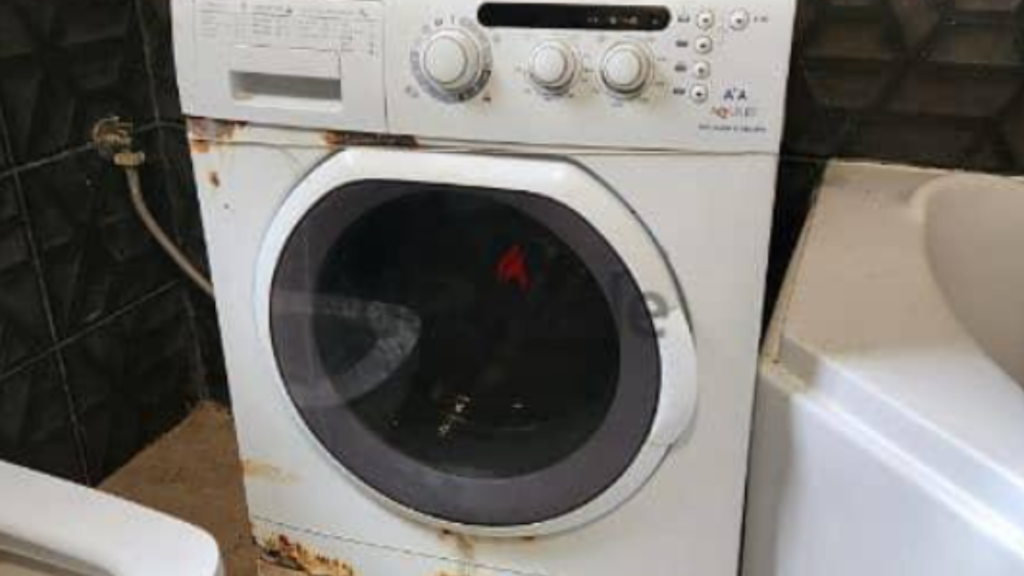
Some problems can be repaired, while others may make replacement worth considering. Watch for these warning signs:
Frequent Repairs
If the washer needs repairs repeatedly, compare the total expected repair costs with the cost of a suitable replacement.
Persistent Leaks
Leaks may come from a hose, seal, connection, or internal component. Stop using the machine if a leak creates an electrical or flooding risk, and arrange an inspection.
Unusual Noise or Vibration
A small object or an unbalanced load can sometimes cause noise. However, persistent banging, grinding, or excessive vibration may indicate a problem that needs professional attention.
Poor Cleaning or Spinning
If clothes are still wet or dirty, check the load size and wash cycle. Also check the drain and filter using your owner’s manual. Follow your washer’s manual. If the issue continues, arrange a repair assessment.
Parts Are Difficult to Obtain
For older models, parts availability and repair costs can affect whether keeping the machine is practical.
Should You Repair or Replace an Old Washing Machine?
The right choice depends on the washer’s condition, repair cost, reliability, and your household’s needs.
Consider these questions before deciding:
- What is the estimated repair cost?
- Has the machine needed several repairs recently?
- Check whether replacement parts remain available for the model.
- Determine whether the washer’s capacity, performance, and features continue to meet your household’s requirements.
- Would a replacement offer meaningful improvements in efficiency, capacity, or features?
A relatively simple repair may be worthwhile if the washer is otherwise in good condition. If repairs are costly, buying a new washer may be a better choice.
Ask a qualified technician to assess the problem when you are unsure.
Frequently Asked Questions
How can I tell how much life my washing machine has left?
You cannot predict exactly how long a washer will last. Its age, condition, repair history, usage, and maintenance can help you assess whether it is likely to need attention.
Does regular maintenance help a washing machine last longer?
Regular maintenance can help prevent some avoidable problems and keep the washer operating as intended. Follow the cleaning and care schedule recommended by the manufacturer.
Is a noisy washing machine always failing?
No. An unbalanced load, an object in the drum, or an installation issue can cause noise. Check persistent or unusual noises, especially if the washer leaks or performs poorly.
Should I repair an older washing machine?
It depends on the fault, repair cost, parts availability, and overall condition. Compare the estimated cost of repair with the cost of replacement before deciding.
How often should I clean my washing machine?
Follow the cleaning schedule in your owner’s manual. The appropriate frequency depends on the model, how often you use it, and the manufacturer’s recommendations.
Conclusion
A washing machine’s lifespan depends on more than its age. Usage, installation, load size, cleaning, and timely repairs can all affect its condition over time.
Follow the manufacturer’s care instructions, avoid overloading the drum, and investigate persistent leaks, noises, or performance problems. When repairs become frequent or expensive, compare the cost of keeping the washer with the benefits of replacing it.
These steps can help you make a more informed decision about maintaining, repairing, or replacing your washing machine.